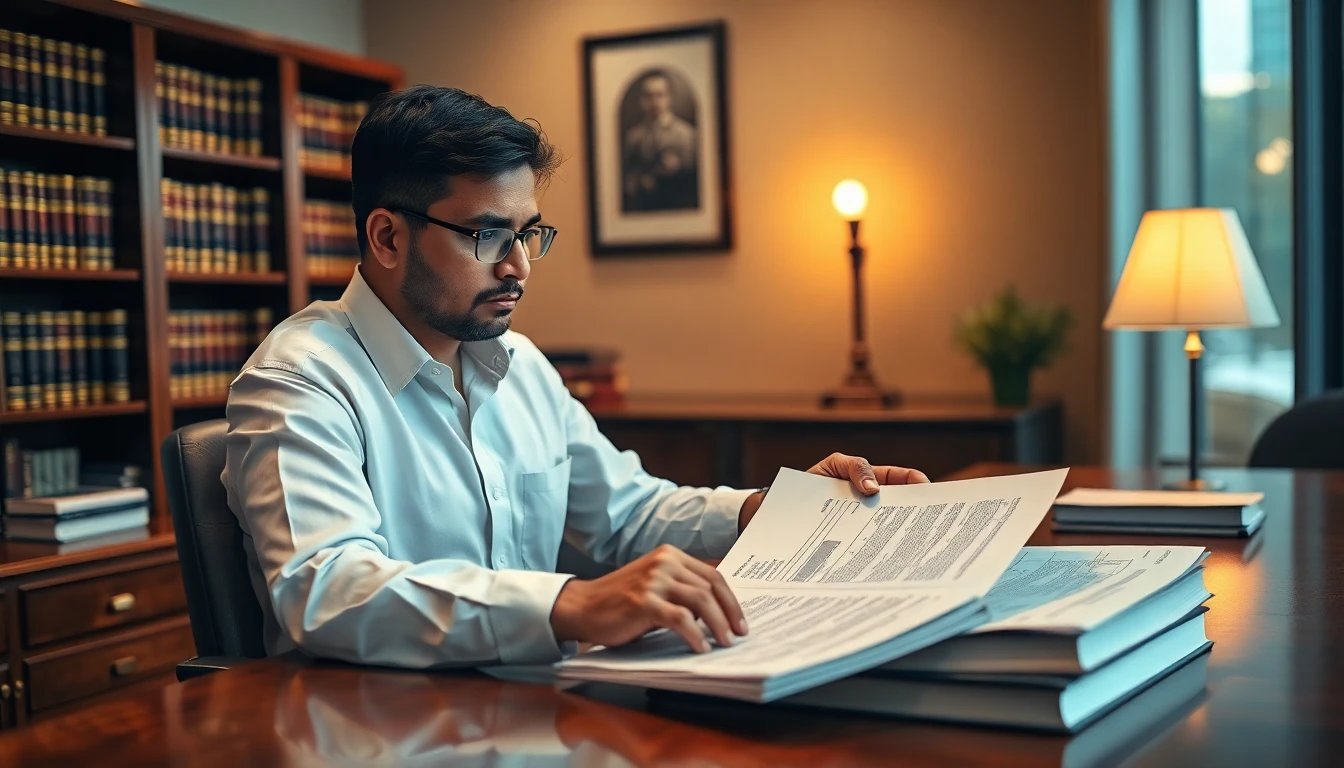

Documents to check before buying a flat in Bangalore refers to the set of legal papers a buyer must verify to confirm that the seller has clear ownership, the property is free from loans or legal claims, and the building complies with local laws. According to the Registration Act 1908 and Karnataka Stamp Act 1957, a sale deed is valid only if registered, and stamp duty is 5% plus 1% registration for properties above Rs 45 lakh (Karnataka Stamp Act schedule, 2025).
In 20 years of practice, I've seen hundreds of flat buyers in Bangalore skip this step and pay dearly. A token advance is paid, the sale deed is drafted, and then a missing document brings everything to a halt. This guide walks you through the exact documents you must check before you pay a rupee.
What is a title deed and why does it matter before you buy?
The title deed is the legal document that proves who owns the property. It's the foundation of your purchase. Without a clear title, you're buying a lawsuit, not a home.
In Bangalore, many flats are sold on the basis of an agreement to sell or a power of attorney, but those don't transfer ownership. Only a registered sale deed does. I always tell my clients: if the seller can't show a registered sale deed in their name, walk away.
We at Legal Brigade often catch title defects that buyers miss, like a missing link in the chain of ownership or an unregistered will. We usually return a title opinion in two to three days because we know exactly where to look in Bangalore's records.
How do you verify the mother deed and chain of title in Bangalore?
The mother deed is the parent document from which the current seller's title originates. The chain of title is the sequence of all previous owners. You need to verify that the chain is unbroken for at least 30 years.
In Bangalore, properties often change hands through inheritance or gifts, and these transfers must be properly documented. A client came to me last year with a flat in Whitefield. The seller's mother deed was a partition deed among family members, but one branch of the family had not signed it. That missing signature could have invalidated the entire chain.
To verify, you'll need to check:
- Certified copies of all previous sale deeds, gift deeds, or partition deeds.
- Death certificates and legal heir certificates if the property passed through inheritance.
- Khata transfer records (more on that below).
- Encumbrance certificate for the entire chain period.
I recommend a lawyer-led search because the sub-registrar's office (where property registrations are recorded) can be overwhelming. We do this every day.
What is an encumbrance certificate (EC) and why is it crucial?
An encumbrance certificate (EC) - the record that shows whether a property carries any loan, mortgage or legal due against it - is your safety net. It lists all registered transactions on the property for a specified period, usually 15 to 30 years.
Last year, a buyer was ready to register a flat in Electronic City. The seller claimed there was no loan. One EC search showed an unreleased bank mortgage the seller never mentioned. That mortgage could have led to the bank seizing the flat after purchase. We stopped the deal and saved the buyer's Rs 80 lakh.
You can get an EC from the sub-registrar's office or online through the Karnataka government's Kaveri portal. But reading an EC requires experience. It's not just about loans; it also shows court attachments, liens, and pending litigations.
For more on how to read an EC, see our guide on more property buying guides.
What is a khata and how do you check it?
Khata is the revenue record that identifies the person responsible for paying property tax. In Bangalore, there are two types: A Khata (fully compliant) and B Khata (deviations or unauthorized).
Here's a quick comparison:
| Feature | A Khata | B Khata |
|---|---|---|
| Compliance | Fully compliant with building bylaws | Deviations or unauthorized construction |
| Bank loan | Eligible for loans | Most banks refuse loans |
| Transferability | Easy to transfer | Difficult and may face legal issues |
| Property tax | Standard rates | Penalty rates may apply |
Takeaway: Always insist on an A Khata flat. B Khata means trouble with approvals and resale.
To verify khata, you can check the BBMP (Bruhat Bengaluru Mahanagara Palike) records online or visit the local ward office. Ensure the khata is in the seller's name and matches the sale deed.
What are the RERA documents and why should you check them?
RERA (Real Estate Regulation and Development Act, 2016) requires all under-construction projects to be registered. The RERA registration number is your assurance that the project is legally approved.
In Bangalore, many projects are launched without RERA registration, especially small builders. If the project isn't registered, you have no legal recourse if the builder delays or defaults. According to Karnataka RERA data (2025), over 1,200 complaints have been filed against builders for delays and violations.
Check the RERA website for the project's registration status, approved plans, and the promoter's track record. Also, verify that the builder has title to the land. I've seen cases where the builder didn't own the land and used a power of attorney to sell flats, which is illegal.
What other documents should you verify?
Beyond the core documents, here's a checklist:
- Sale agreement: The contract between you and the seller, outlining terms and conditions.
- Building plan approval: Sanctioned by BBMP or BDA (Bangalore Development Authority).
- Occupancy certificate (OC): Issued by the local authority confirming the building is fit for occupation.
- Completion certificate (CC): For new buildings, from the builder.
- Property tax receipts: Latest paid receipts to ensure no dues.
- Electricity and water bills: To check for arrears.
- NOC from society: If applicable, to confirm no dues to the society.
- No Objection Certificate (NOC) from bank: If the seller has a loan, an NOC from the bank stating the loan is cleared.
- Allotment letter: If the flat is from a builder, the original allotment letter.
- Possession certificate: From the builder to the first owner.
Missing any of these can cause problems later. For a thorough check, consider property document verification in Bangalore by a legal expert.
How long does document verification take?
With a lawyer, most verifications take 2-3 days. Without one, you could spend weeks running around. We at Legal Brigade typically turn around title and document verification in 48 to 72 hours, and we offer same-day urgent checks because token advance deadlines are real.
Here's a typical timeline:
- Day 1: Collect copies of all documents from seller.
- Day 2: Search sub-registrar records and EC.
- Day 3: Verify khata, tax, and approvals.
- Day 4: Legal opinion drafted.
If there are red flags, it may take longer to resolve or you may need to negotiate with the seller.
What happens if you skip document verification?
Skipping verification is like driving without brakes. You might be fine, but the risk is enormous. Common problems include:
- Buying a property with an existing mortgage.
- Discovering the seller is not the legal owner.
- Finding out the building has violations and faces demolition.
- Inheriting a legal dispute among family members.
- Being unable to get a khata transfer or bank loan.
I've seen buyers lose their life savings. In one case, a buyer paid Rs 1.2 crore for a flat only to find the seller's brother had a share in the property and sued for partition. The case is still in court after five years.
Self-verification vs lawyer-led due diligence: which is better?
Many buyers try to verify documents themselves to save money. Here's a comparison:
| Aspect | Self-Verification | Lawyer-Led Due Diligence |
|---|---|---|
| Cost | Low (mostly time) | Flat fee, typically Rs 10,000-25,000 |
| Time | 2-4 weeks | 2-3 days |
| Risk | High (miss hidden issues) | Low (expert catches red flags) |
| Scope | Basic document check | Title search, EC, khata, approvals, litigation check |
Takeaway: A lawyer's fee is a small price for avoiding a lifetime of regret. At Legal Brigade, our fees are transparent and a fraction of what large firms charge.
How much does document verification cost in Bangalore in 2026?
Fees vary. A basic title verification might cost Rs 5,000-10,000. A full due diligence for a flat could range from Rs 15,000 to Rs 30,000. Large law firms may charge upwards of Rs 50,000.
At Legal Brigade, we keep it affordable. Our flat fee for a complete flat document verification starts at Rs 12,000. We don't pad bills. You'll know the cost upfront.
Compare that to the cost of a mistake: a property worth Rs 1 crore with a title defect could be worth nothing.
What are the red flags to watch out for?
Here's a list of red flags that should make you pause:
- Seller refuses to share documents or makes excuses.
- EC shows a mortgage that hasn't been cleared.
- Khata is in a different name than the seller.
- Building plan approval is missing or expired.
- Property tax receipts are outdated or unpaid.
- RERA registration is absent for an under-construction project.
- Seller uses a power of attorney instead of a sale deed.
- Chain of title has gaps or missing links.
- Litigation pending against the property.
If you spot any of these, get a lawyer involved immediately.
How can Legal Brigade help you?
We've been verifying Bangalore property documents for over 20 years. We know the sub-registrar offices, the khata systems, and the common tricks sellers use.
Our process is simple: you share the documents, we verify, and you get a clear opinion. We also help with registration and post-purchase khata transfer.
If you're buying a flat in Bangalore, don't leave it to chance. book a free property consultation with us today. We'll tell you exactly what to check and how to protect your investment.
Frequently Asked Questions
How much does property title verification cost in Bangalore?
For a flat in Bangalore, a proper title verification by an advocate usually costs between Rs. 15,000 and Rs. 30,000, depending on how old the property is and how many documents need to be checked. I've seen quotes as low as Rs. 5,000, but those are often rushed jobs that miss encumbrances or missing links in the chain of title. At Legal Brigade, we charge a flat fee that covers the full check, including EC for 30 years, mother deed, sale deed, khata, and approvals. You get a written opinion, not just a verbal nod.
How long does a property due-diligence check take?
If you have all the documents ready, a thorough title check takes 48 to 72 hours. That includes pulling the encumbrance certificate from the sub-registrar office, verifying the chain of title for at least 30 years, and checking khata and plan approvals. In Bangalore, delays happen when documents are missing or when the seller's mother deed is not clear. I always tell clients to budget a week if the property is old or if it's a resale flat with multiple owners.
Can I do property verification myself or do I need a lawyer?
You can pull an EC online and read the sale deed, but a lawyer knows what to look for beyond the obvious. For example, I've caught cases where the khata was in the builder's name but the sale deed was in the name of a different entity, or where a family settlement deed was never registered. Those are the things that come back to bite you years later. For a flat purchase in Bangalore, spending on a professional title check is not an expense, it's insurance.
What documents should I check before buying a flat in Bangalore?
At minimum, you must check the mother deed, the sale deed of the current owner, the encumbrance certificate for 30 years, the khata certificate and extract, the approved building plan, and the occupancy certificate. For under-construction flats, also check the RERA registration and the joint development agreement. I've seen buyers skip the occupancy certificate and then struggle to get water and electricity connections. It's a small document that can hold up your possession.
How do I verify the khata of a flat in Bangalore?
You can verify the khata online on the BBMP e-khata portal, but the online extract only shows the current status. To check the history, you need to visit the BBMP office and request a khata extract for the property. I always advise clients to check that the khata is in the name of the seller and that the property tax receipts match the khata number. If the khata is in the builder's name, get a no-objection certificate and the transfer deed.
What is an encumbrance certificate and why is it important?
An encumbrance certificate (EC) is a record from the sub-registrar office that shows all registered transactions on a property for a given period, usually 30 years. It tells you if the property has any mortgages, liens, or claims. I've seen cases where the EC showed a mortgage that the seller conveniently forgot to mention. Without a clean EC, you could inherit a debt along with the flat. Always get the EC for the full period, not just the last few years.
Do I need to check the RERA registration for a flat in Bangalore?
Yes, if the project is under construction or was registered after 2017, it must be RERA-registered. You can check the RERA Karnataka website for the project registration number, the promoter's name, and the completion date. I've come across projects where the RERA registration had lapsed and the builder was still selling. Buying in such a project leaves you with little recourse. Always cross-check the RERA number on the sale agreement.
If you're about to put down a token advance on a flat in Bangalore, don't sign anything until you've had the documents checked. At Legal Brigade, we turn around a full title verification in 48 to 72 hours at a flat, transparent fee, and we tell you plainly whether the property is clean or carries risk. Send us the sale deed, mother deed, EC, and khata, and we'll give you a written opinion you can rely on. book a free property consultation.
Written by Advocate Raghavendra S C, a Bangalore-based property lawyer with 20+ years of practice in property title verification, due diligence, registration, and civil litigation across Karnataka courts and sub-registrar offices. For a property title check or due-diligence opinion in Bangalore, contact Legal Brigade at legalbrigade.co.in.