
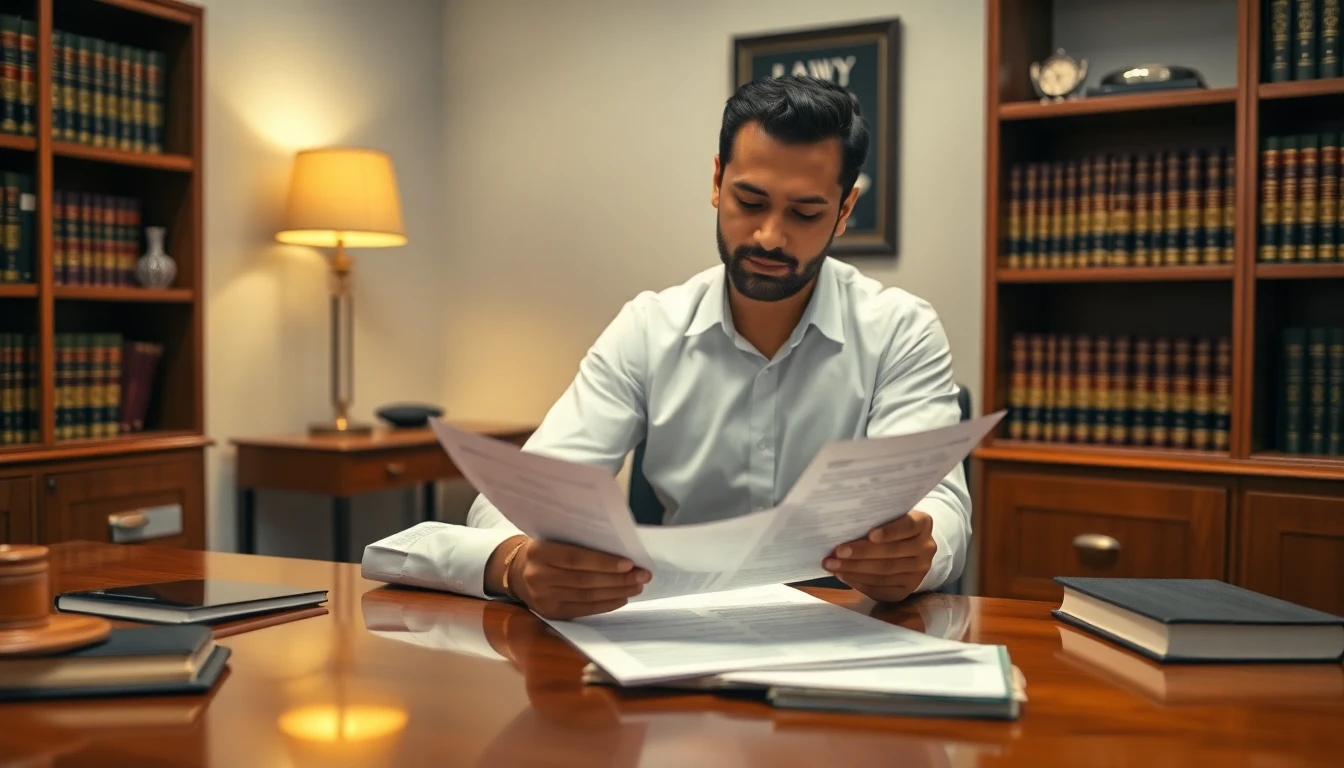
Encumbrance certificate apply online refers to the process of requesting a property encumbrance certificate (EC) through the Karnataka government's Kaveri portal or the Department of Stamps and Registration website, without physically visiting a sub-registrar office. According to the Registration Act 1908 and the Karnataka Kaveri Online Services (2025), an EC is a chronological list of all registered transactions, mortgages, liens, leases, and other encumbrances affecting a property during a specified period, typically 13 to 30 years. This document is critical for buyers, lenders, and investors to verify that a property has a clear title and no hidden legal dues.
What is an Encumbrance Certificate and Why Does It Matter Before You Buy?
An encumbrance certificate (EC) is like a property's transaction history. It records every sale, gift, mortgage, lease, or court order that has been registered at the sub-registrar office for a given period. In Karnataka, the EC is issued by the Sub-Registrar of Assurances and is available for any period you request, usually 13, 20, or 30 years. The certificate shows two things: all registered documents (Form 15) and any pending encumbrances (Form 16). A "nil encumbrance" EC means no loans or mortgages exist on the property. In 20 years of practice, I've seen countless buyers get trapped because they skipped this step. One client in Electronic City paid a 10 lakh token advance on a villa, only to discover later that the seller had an unreleased bank mortgage from 2018. The EC would have caught it instantly.
What Does an EC Actually Tell You?
An EC lists each registered document affecting the property: sale deeds, mortgage deeds, release deeds, partition deeds, gift deeds, and court decrees. It shows the document number, date, parties involved, and nature of the transaction. If there's a mortgage, it will say "mortgage by deposit of title deeds" or "simple mortgage" and show the lender's name. A release deed or satisfaction entry will show when the loan was paid off. Without an EC, you are buying blind. I've seen cases where a seller claimed the property was mortgage-free, but the EC revealed three outstanding loans. The buyer backed out and saved their money.
How Do You Apply for an Encumbrance Certificate Online in Karnataka?
Applying online is straightforward if you have the property details. You don't need to visit any office. Here's the step-by-step process I give my clients:
- Go to the Kaveri Online Services portal (kaveri.karnataka.gov.in) or the Department of Stamps and Registration website.
- Select "Encumbrance Certificate" from the services menu. You'll need to register or log in with a valid mobile number and email.
- Enter the property details: district, taluk, village or ward number, survey number or khata number, and the sub-registrar office jurisdiction. If you have the old document number, that helps.
- Choose the period: typically 13 years (standard for most loans) or up to 30 years for full due diligence. I always recommend 30 years if the property is old. You can also check from a specific date, like from the date of the mother deed.
- Pay the fee online: for an EC up to 13 years, the fee is around Rs. 155 (including GST) per year or part thereof. For 30 years, it's about Rs. 355. Additional charges apply for certified copies.
- Submit the application. You'll get an acknowledgment number. The EC is usually generated within 3-7 working days and sent to your registered email or available for download on the portal.
You can also apply in person at the sub-registrar office, but online is faster and avoids middlemen. However, I've noticed that the online system sometimes rejects applications with incorrect survey numbers. Double-check your property details from the sale deed or tax paid receipt before applying.
What Documents Do You Need to Apply Online?
You don't need to upload any documents to apply for an EC online. But you must have accurate property identification details. Here's what you should gather:
- Property survey number (or khasra number) and village name as per the revenue records.
- Khata number and property ID (available from BBMP or gram panchayat tax receipts).
- Old registered document number (like the previous sale deed or mother deed) to narrow the search. This is optional but helps if the property is old.
- Jurisdiction details: which sub-registrar office covers the property. In Bangalore, there are 8 sub-registrar offices – if you get the wrong one, the EC will show no records.
One common mistake I see: buyers apply for an EC using only the khata number. Khata and EC are different systems. The EC is based on the sub-registrar's index of registered documents, not the BBMP tax database. So you need the correct survey/sub-division number as recorded in the sale deed.
How Long Does It Take to Get an Encumbrance Certificate in Karnataka?
If you apply online through Kaveri, the EC is usually generated within 3 to 7 working days. In urgent cases, you can visit the sub-registrar office and request an expedited EC by paying a higher fee (around Rs. 500-1000) – some offices issue it the same day. I've had clients get a 13-year EC in 2 days by applying in person with a letter explaining urgency. But honestly, 7 days is the norm for online. The system also sends an SMS when the EC is ready. You can then download a digitally signed PDF. For court cases or bank loans, you may need a certified EC with a physical stamp – that requires visiting the office and paying an extra fee of Rs. 50 per page.
What Does an Encumbrance Certificate Cost in Bangalore (2025)?
The Karnataka government fee for an EC is calculated per year of search. As of 2025, the rates are:
| Period | Online Fee (incl. GST) | Certified Copy (additional) |
|---|---|---|
| 1 to 13 years | Rs. 155 | Rs. 50 per page |
| 14 to 20 years | Rs. 255 | Rs. 50 per page |
| 21 to 30 years | Rs. 355 | Rs. 50 per page |
These fees are for a single property. If you need EC for multiple properties or different periods, you pay each separately. There's no additional lawyer fee if you do it yourself, but if you use a professional, expect Rs. 1000-2000 for the entire due diligence including EC, mutation check, and title opinion. At Legal Brigade, we include the EC search in our flat fee for property verification.
What Happens If You Skip the Encumbrance Check?
I'll tell you a real story. A client in 2022 wanted to buy a plot in Kanakapura Road. The seller showed a clean sale deed and promised no loans. The buyer, eager to close, paid the full amount and registered the property. Six months later, a bank sent a notice claiming the property was mortgaged by the seller for a business loan. The EC would have shown that mortgage. The buyer had to fight a legal battle for two years and spent over Rs. 2 lakh in lawyer fees. Finally, the court ordered the seller to clear the loan, but the seller had disappeared. The buyer ended up paying the bank to get the mortgage released just to keep the property. Skipping the EC cost him his savings. In 20 years, I've seen this go wrong dozens of times. Don't let it be you.
Can You Rely Only on an Encumbrance Certificate for Title Verification?
No. An EC shows registered transactions, but it doesn't reveal everything. For example, an EC won't show unregistered agreements, pending court cases, inheritance disputes, or government acquisition notifications. It also won't show if the property is on a B khata (which means illegal construction) or has unpaid taxes. A full title verification includes checking the mother deed (the oldest deed in the chain), mutation records (RTC or pahani), khata certificate, tax paid receipts, and a legal opinion on the chain of title. I've seen cases where the EC was clean, but the mother deed had a forged signature. The EC only goes back 30 years; if the property is older, you need to check older records manually. So, an EC is a necessary but not sufficient condition for a safe purchase. Combine it with a professional due diligence.
Comparison: DIY EC Search vs Professional Title Scrutiny
| Factor | DIY EC Search | Professional Title Scrutiny (Lawyer) |
|---|---|---|
| Cost | Rs. 155-355 + your time | Rs. 2000-5000 flat fee |
| Time | 3-7 days for EC; additional days to analyze | 2-3 days for full report |
| Coverage | EC only | EC + mother deed + mutation + khata + tax + legal opinion |
| Risk | Misses unregistered issues, forged deeds, disputes | Catches 95%+ of problems |
| Best for | Low-value properties, known sellers | Any property purchase, especially high-value or first-time buyer |
Takeaway: DIY is cheap but risky. Professional scrutiny is worth the cost for peace of mind.
Frequently Asked Questions
What is the difference between Form 15 and Form 16 in an EC?
Form 15 is the "clear" encumbrance certificate – it lists only registered documents, but none of them are encumbrances like mortgages or liens. Form 16 shows the actual encumbrances, such as mortgages, charges, and pending court orders. When you apply for an EC, you can request either or both. For property purchase, always ask for both forms to see all transactions and any outstanding dues.
How much does property title verification cost in Bangalore from a lawyer?
At Legal Brigade, our flat fee for a full title check (including EC, mother deed, mutation, khata, and legal opinion) starts at Rs. 2500 for properties up to Rs. 50 lakh, and goes up to Rs. 5000 for higher-value properties. Some firms charge 0.5% to 1% of the property value – that can be Rs. 50,000 on a 1 crore property. We keep it transparent and affordable.
How long does a property due-diligence check take?
If you have all documents ready, we usually return a title opinion in two to three days. For urgent cases, we can do it in 24 hours. The EC itself takes 3-7 days from the government, but we start the mother deed and mutation checks simultaneously, so the overall time is short.
Can I do property verification myself or do I need a lawyer?
You can apply for an EC yourself online, and you can check khata and tax records on BBMP or Bhoomi portals. But interpreting the chain of title, spotting forged documents, verifying signatures, and checking for pending litigation requires legal training. I've seen self-verified purchases go wrong because the buyer missed a small discrepancy in the survey number. If you're spending crores, the lawyer's fee is a small insurance.
What is the validity of an encumbrance certificate?
An EC is valid only for the period it covers. If you get an EC up to 2025, any transaction after that date won't appear. That's why banks usually ask for an EC dated within 3 months of the loan. For a sale, get an EC up to the date of your intended registration. If there's a delay, apply for a fresh EC.
What if the online EC application is rejected?
Rejection usually happens due to incorrect survey number, wrong sub-registrar office, or mismatched property details. Check the sale deed or earlier EC for the exact survey number. You can also visit the sub-registrar office with the old document and get the correct details. If the property is unregistered (like an ancestral property without any deed), an EC will show no records – that itself is a red flag.
Do I need a separate EC for each property in a joint purchase?
If you and a co-buyer are purchasing the same property, one EC covering the property is enough. But if you are buying multiple properties (e.g., a house and a separate plot), you need separate ECs for each. The application system allows you to add multiple properties in one request, but the fee is per property.
Final Word: Don't Gamble With Your Property Purchase
An encumbrance certificate is the first and most important document to check before buying property in Karnataka. You can apply online easily and cheaply, but don't stop there – a full title due diligence is what protects you from hidden mortgages, forged deeds, and ownership disputes. If you've got a token advance riding on a deadline, don't gamble on it. At Legal Brigade, we usually turn a full title check around in two to three days at a flat, upfront fee – send us the documents and we'll tell you exactly where you stand.
For more tips, check out our more property buying guides. If you need a thorough property document verification in Bangalore, or want to book a free property consultation, we're here to help.
Written by Legal Brigade, a Bangalore-based property lawyer with 20+ years of practice in property title verification, due diligence, registration, and civil litigation across Karnataka courts and sub-registrar offices. For a property title check or due-diligence opinion in Bangalore, contact Legal Brigade at legalbrigade.co.in.